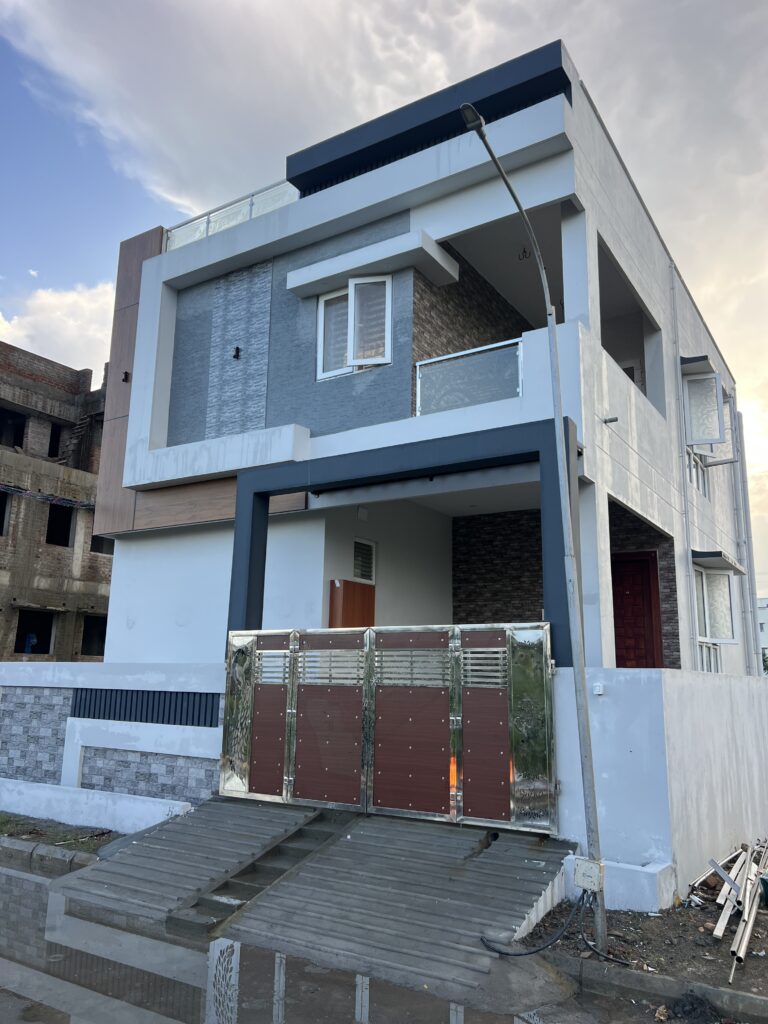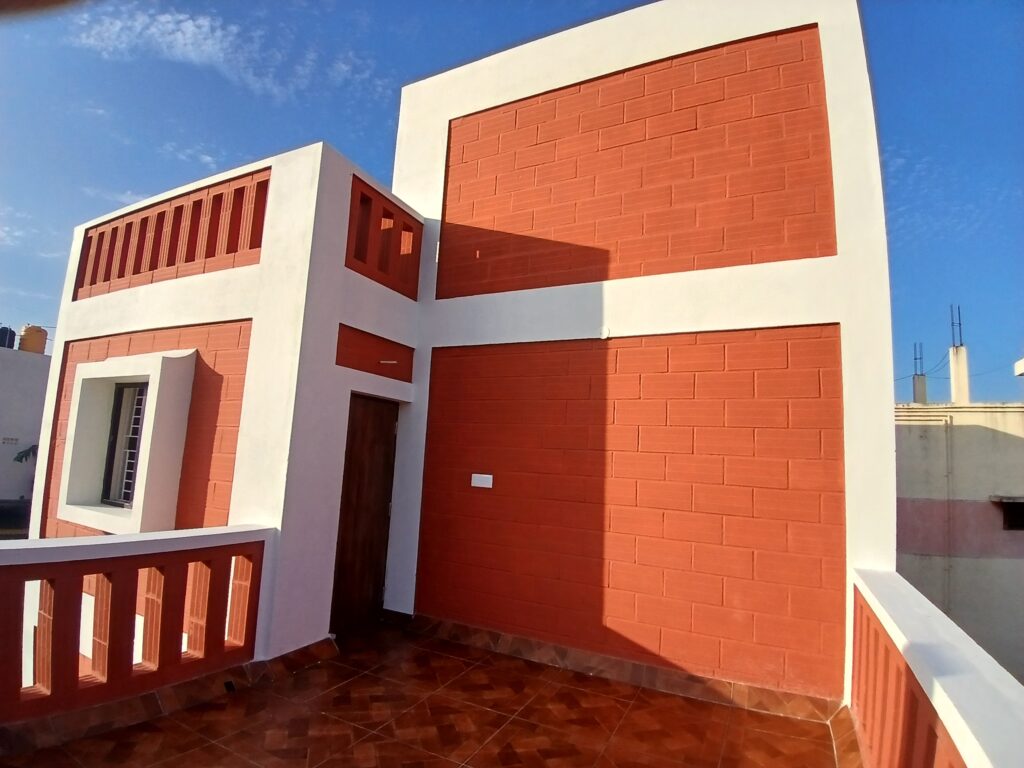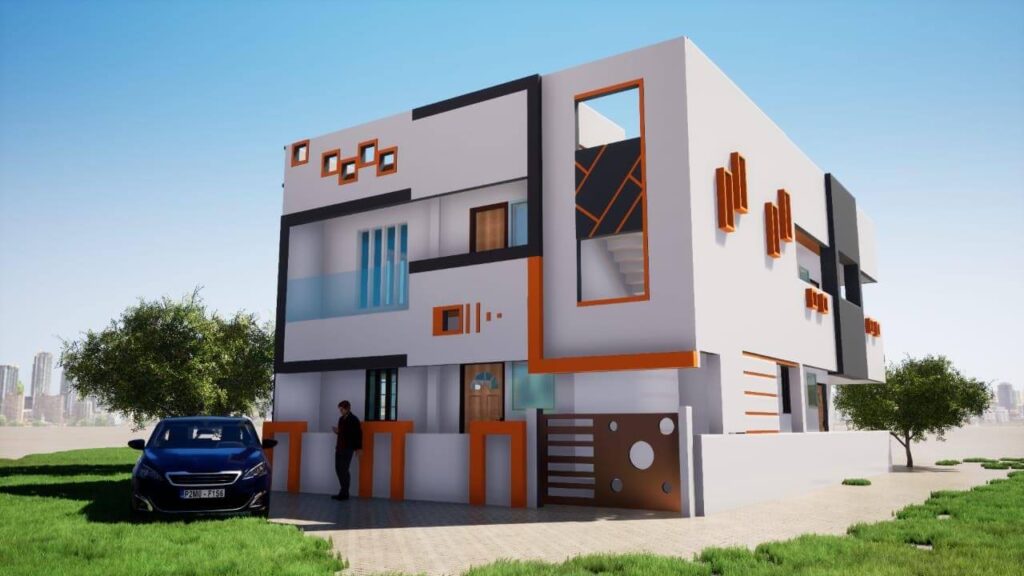
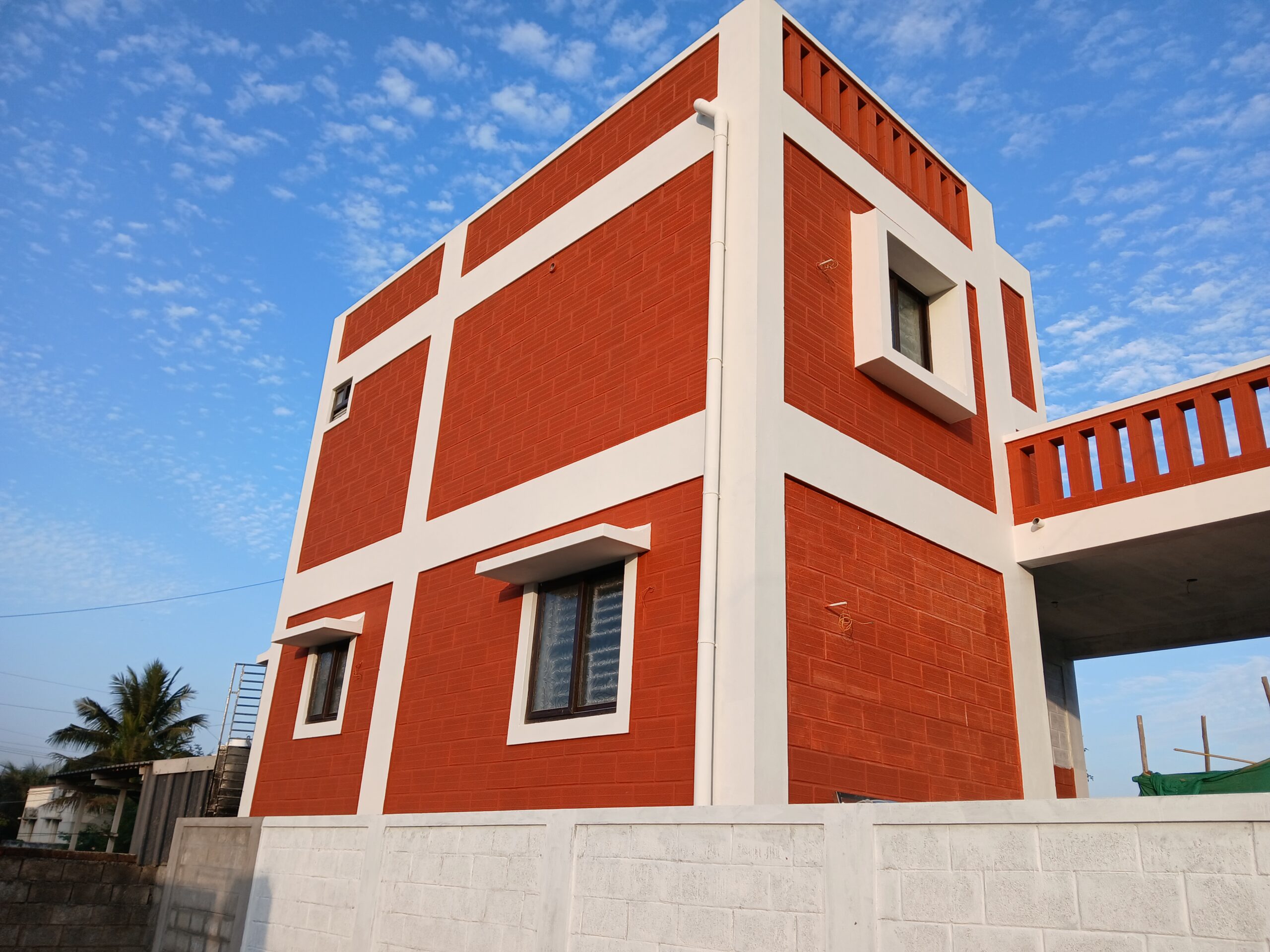
Introduction to House Construction in Chennai
Building an independent home is a significant financial and emotional milestone. If you are planning to build a home in this bustling metropolitan city, understanding the house construction process in Chennai is essential to ensure your project stays on schedule, within budget, and compliant with all local regulations. As the city expands into suburbs like OMR, ECR, Porur, and Tambaram, the demand for well-built residential spaces continues to rise in 2026.
Navigating the house construction process in Chennai requires a clear understanding of everything from land acquisition and government approvals to structural engineering and interior finishing. The local climate, characterized by high humidity, intense summer heat, and heavy monsoon rains, plays a crucial role in determining the materials and construction techniques you must use. By familiarizing yourself with the standard building steps India follows, while applying Chennai-specific insights, you can avoid common pitfalls such as delayed permits or weather-related damages.
This comprehensive guide will walk you through the various construction stages, offering practical advice and a clear roadmap for your project. Whether you are building a compact villa or a multi-story residence, knowing the step-by-step house construction process in Chennai will empower you to make informed decisions and collaborate effectively with your chosen contractors.
Pre-Construction Planning
The foundation of a successful building project is laid long before the first brick is placed. Pre-construction planning is the most critical phase of the house construction process in Chennai, as it dictates the trajectory of the entire project.
During this stage, you must finalize your architectural floor plans, structural drawings, and elevation designs. It is highly recommended to work with qualified architects and structural engineers who understand Chennai’s specific environmental demands. They will help you optimize your plot for natural ventilation and daylight, which is vital for maintaining a comfortable indoor temperature during the sweltering summer months.
Budgeting is another major component of this phase. In 2026, the baseline construction cost starts at ₹2100 per sq. ft. This is the base construction cost and may vary depending on materials, design, and specifications. It is prudent to allocate an additional contingency fund of ten to fifteen percent to cover unexpected expenses that often arise during the later construction stages. A detailed bill of quantities provided by your contractor will give you a transparent view of where your money is going, helping you manage cash flow effectively throughout the house construction process in Chennai.
Land Verification and Construction Approvals Chennai
Before any physical work begins, securing the right documentation is mandatory. Failing to obtain proper construction approvals Chennai mandates can lead to severe legal complications, including project halts or demolition orders.
Document Verification and Soil Testing
The first step is to ensure your land title is clear. You need to verify documents such as the Patta, Chitta, and the Encumbrance Certificate for the past twenty to thirty years. Once the legal ownership is established, soil testing becomes the next priority. Chennai has diverse soil profiles, ranging from sandy soils along the East Coast Road to highly reactive clayey soils in areas like Velachery and Pallikaranai. A soil test determines the safe bearing capacity of the earth, which dictates the type and depth of the foundation required.
Navigating Government Approvals
Obtaining construction approvals Chennai requires can take several weeks, so it must be factored into your timeline early. Depending on the location and size of your plot, you will need approval from either the Chennai Metropolitan Development Authority (CMDA) or the Directorate of Town and Country Planning (DTCP). You will also need local body clearances from the Greater Chennai Corporation or the respective municipality or panchayat.
Your architect will submit the building plan, which must comply with local Floor Space Index (FSI) norms, setback regulations, and parking requirements. Additionally, you will need to apply for temporary electricity from TNEB and water connections from CMWSSB specifically for construction purposes. Properly securing these permits ensures that your house construction process in Chennai proceeds without legal interruptions.
Step-by-Step House Construction Stages
With the plans finalized and the construction approvals Chennai mandates firmly in hand, the physical realization of your home begins. Understanding these construction stages helps you monitor progress and maintain quality control.
Site Preparation and Earthwork
The first of the practical building steps India follows is site clearing. The land is cleared of debris, vegetation, and rocks. Following this, the site is leveled, and the exact dimensions of the building are marked on the ground using strings and pegs, a process known as center-line marking. Earthwork excavation then begins, digging trenches for the foundation based on the structural engineer’s drawings.
Foundation Construction
The foundation is the most critical structural element. Based on the earlier soil test, your contractor will lay either an isolated footing, strip foundation, or pile foundation. In the house construction process in Chennai, especially in low-lying areas prone to monsoon waterlogging, elevating the plinth level well above the road level is a highly recommended practice. A layer of Plain Cement Concrete is poured into the excavated pits, upon which the reinforced steel mesh and columns are erected. Concrete is then poured to form the foundation footings.
Structural Construction Process
Once the foundation is cured and backfilled with soil, the project moves into the structural phase. This phase transforms the empty plot into a recognizable building framework.
Plinth Beam and Slab
A plinth beam is constructed at the ground level connecting all the columns. This acts as a retaining wall for the floor earth and prevents the building from settling unevenly. In Chennai, an anti-termite treatment is strictly applied at this stage to protect the structure from subterranean pests. After the plinth beam is cast, the space inside is filled with gravel and sand, compacted thoroughly, and topped with a layer of concrete to form the ground floor slab.
Superstructure and Brickwork
The superstructure involves raising the columns to the roof level and building the masonry walls. Contractors typically use red bricks, fly ash bricks, or Autoclaved Aerated Concrete blocks. AAC blocks have gained immense popularity in the house construction process in Chennai due to their excellent thermal insulation properties, which help keep interiors cool. The walls are built leaving precise gaps for doors and windows as per the architectural drawings. Sill concrete is laid at the window base, and lintel beams are cast above doors and windows to support the weight of the masonry above.
Roof Slab Pouring
The roof slab casting is a major milestone in the construction stages. It involves setting up wooden or steel shuttering, laying out the complex grid of steel reinforcements, and placing electrical conduit pipes. The concrete is then poured continuously to avoid cold joints. Curing the concrete with water for a minimum of fourteen to twenty-one days is absolutely essential, particularly in Chennai’s hot climate, to ensure the roof achieves its maximum designed strength and remains crack-free.
If you are finding the intricacies of building a home overwhelming, you do not have to manage it alone. Understanding the building steps India standardizes can be complex, and working with seasoned professionals can help you streamline the house construction process in Chennai, ensuring high-quality results while keeping your budget intact. Reach out to a trusted construction partner to discuss your floor plans and get a clear, transparent estimate for your dream home.
Interior and Finishing Stages
Once the structural shell is complete and the concrete has cured, the house construction process in Chennai transitions from heavy civil work to detailed finishing. This is where the house begins to look like a home.
Electrical and Plumbing Rough-Ins
Before the walls are plastered, grooves are cut into the brickwork to conceal plumbing pipes and electrical wiring. It is vital to use high-quality, fire-retardant wires and CPVC or UPVC pipes for plumbing to ensure longevity. In Chennai, planning for air conditioning conduits, inverter wiring, and adequate drainage for washing machines should be finalized during this stage.
Plastering
Plastering provides a smooth finish to the rough masonry walls and protects them from weathering. The exterior walls are plastered first with a waterproof compound mixed into the cement mortar to withstand Chennai’s heavy monsoon rains. Interior walls are then plastered smoothly. Proper curing of the plastered walls is just as important as curing the concrete slabs.
Flooring and Tiling
Selecting the right flooring is a major part of the finishing construction stages. Vitrified tiles, granite, and marble are popular choices. Given the local climate, light-colored vitrified tiles or traditional natural stones are excellent for keeping the floors cool. Waterproofing is a mandatory step before laying tiles in the bathrooms and on the open terrace to prevent seepage issues down the line.
Painting and Woodwork
Wall putty is applied to the interior walls to create a perfectly flat surface, followed by a coat of primer and two coats of interior emulsion paint. Exterior walls require high-quality, weather-resistant, and anti-fungal paints to combat the coastal humidity. Simultaneously, carpenters begin the woodwork, which includes installing door frames, window shutters, and modular kitchen cabinets. Utilizing termite-resistant plywood and treating all wooden materials is a non-negotiable step in the house construction process in Chennai.
Final Inspection and Handover
The final phase involves a meticulous walkthrough of the property. All electrical fixtures, plumbing faucets, sanitaryware, and light fittings are installed and tested. The contractor must ensure there are no leaks, the water pressure is adequate, and all electrical circuits are functioning safely.
A thorough deep cleaning of the site is conducted. It is advisable for the homeowner to do a joint inspection with the architect and contractor to identify any snags or minor defects, such as paint touch-ups or loose hinges, which must be rectified before the final handover. Once everything meets your satisfaction, the keys are handed over, concluding the extensive house construction process in Chennai.
Ready to Build Your Dream Home?
Navigating the complexities of building a house requires a trustworthy and experienced partner who understands the local landscape. Do not leave your life savings to chance. If you want a seamless, transparent, and high-quality building experience, contact the experts today. Visit Bluemoon Construction at https://www.bluemoonconstruction.in/ to schedule a consultation and take the first step toward turning your dream home into a reality.
Frequently Asked Questions (FAQs)
1. What is the average duration of the house construction process in Chennai?
For a standard residential building measuring around 1500 to 2000 square feet, the entire house construction process in Chennai typically takes between eight to twelve months. This timeline can fluctuate based on the complexity of the design, cash flow, weather conditions, and how quickly construction approvals Chennai mandates are obtained.
2. What are the standard building steps India follows for residential construction?
The fundamental building steps India follows include site preparation, soil testing, foundation laying, structural framing (columns and beams), masonry work, roofing, rough-ins for electrical and plumbing, plastering, flooring, and final finishing such as painting and woodwork. These construction stages remain consistent, though local adaptations are made for climate and soil conditions.
3. How much does it cost to build a house in Chennai in 2026?
Currently, the construction cost starts at ₹2100 per sq. ft. However, this is just the base construction cost and may vary depending on materials, design, and specifications. Premium finishes, complex architectural designs, and specific site challenges can increase the final per-square-foot rate.
4. Which government body is responsible for construction approvals Chennai requires?
Depending on your plot’s exact location, construction approvals Chennai requires are issued by either the Chennai Metropolitan Development Authority (CMDA) or the Directorate of Town and Country Planning (DTCP). You will also need building permits from the Greater Chennai Corporation or the local panchayat office.
5. Why should I choose Bluemoon Construction for my home project?
Bluemoon Construction brings years of specialized expertise in the house construction process in Chennai. They provide end-to-end services, managing everything from architectural design and securing construction approvals to executing all construction stages with strict quality control, ensuring your project is delivered on time and within budget.
Disclaimer: The information provided in this article is for educational and general guidance purposes only. Construction processes, government approvals, timelines, and costs may vary significantly depending on the specific project location, fluctuating material prices, changes in government regulations, and individual design specifications. Always consult with certified architects, engineers, and legal professionals before commencing any construction project.